You Understand the Basics of Poker, But Still Keep Losing: Read This
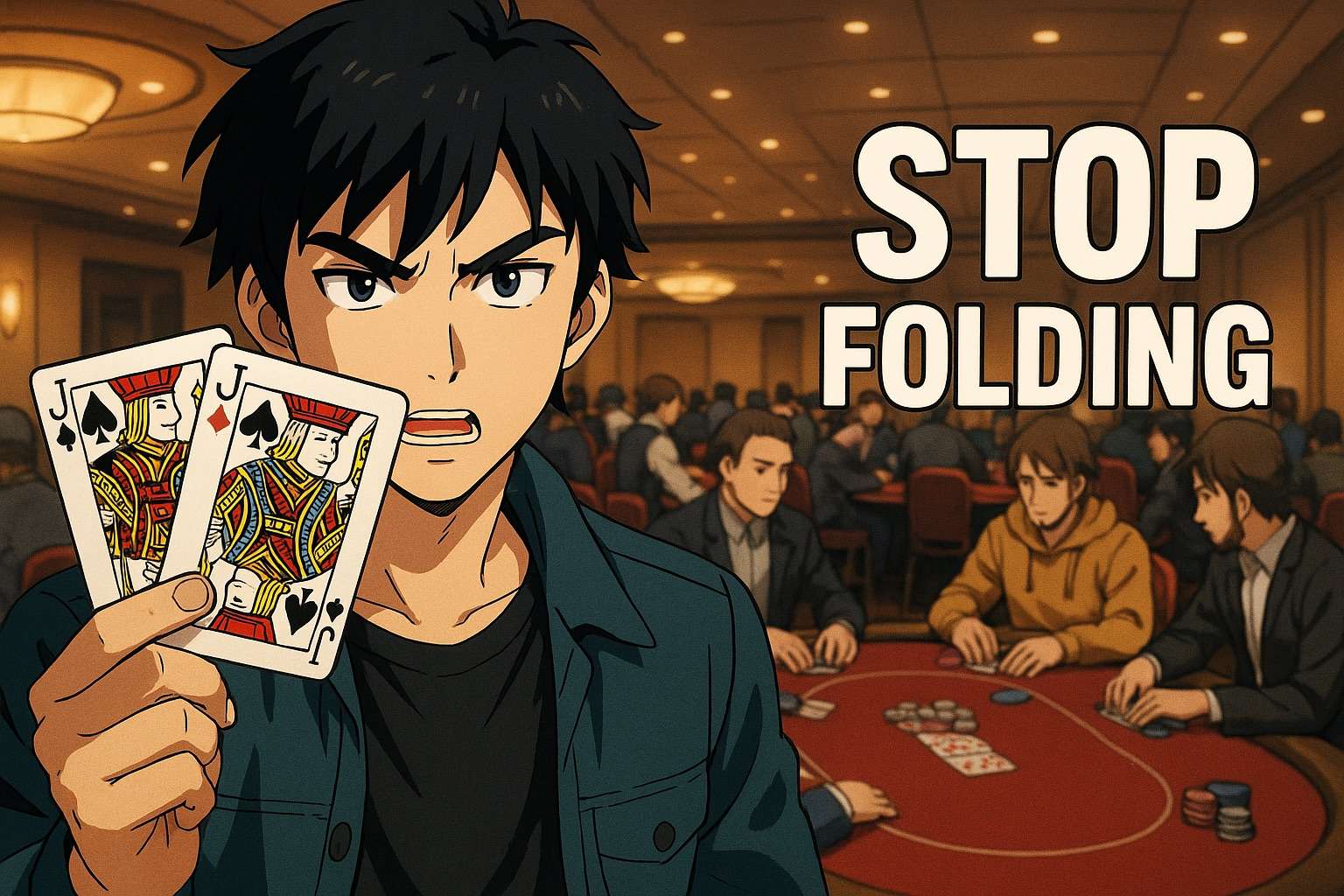
You Understand the Basics of Poker, But Still Keep Losing: Read This
You know the rules, you understand hand rankings, and you can spot a flush from a straight. So why am I still losing at poker when I should be winning? If this question haunts your poker sessions, you’re not alone. Thousands of players find themselves stuck in this frustrating cycle, bleeding chips despite having solid foundational knowledge.
🎯 Quick Poker Leak Diagnostic
Click the scenario that best describes your recent sessions:
The truth is, poker success isn’t just about knowing what beats what. It’s about executing 12 crucial strategic principles that separate consistent winners from perpetual losers. Let’s fix your leaks once and for all.
The 12 Strategic Fixes That Will Transform Your Results
Stop Giving Cheap Draws
When you flop top pair with AQ on a Q-10-4 rainbow board, don’t make cute small bets. Your opponent with J9 (open-ended straight draw) or 76 of diamonds (flush draw) is getting the wrong price to chase.
The Fix: Bet 80% of the pot. Make them pay premium prices for their draws. If they call anyway, they’re making a mathematical mistake that profits you long-term.
Fight for Every Blind
When it’s folded to you in the small blind with Q8 offsuit, don’t just fold and give the big blind a free pot. There’s only one player left to beat.
The Fix: Raise to 3x the big blind. Force your opponent to have a real hand or fold. Those small pots add up significantly over time.
Lay the Hammer Down (Stop Slow Playing)
You have pocket kings on a J-8-3 board. Don’t get fancy with check-calls trying to emulate high-stakes pros. That works in $10,000 buy-in games, not your local $1/$2 cash game.
The Fix: Bet your strong hands for value. If you’re bluffing in similar spots (which you should be), then betting when you actually have a monster is printing money.
Bluff Your Complete Air
You raised with 54 of diamonds. The board runs out K-6-7-2-8, and you have absolutely nothing—five high.
The Fix: When you have zero chance of winning at showdown, a bluff gives you your only path to victory. Fire that bet.
Overbet Your Free Rolls
You have AK of hearts on a 10-Q-9 board with two hearts. The turn brings the jack of diamonds, giving you the nuts (broadway straight) plus a flush redraw.
The Fix: Bet 200% of the pot. Your opponent can’t fold a straight here, and if they have one too, you have 9 outs to crush them on the river.
Check-Raise Your Monsters Against Aggressive Players
Against loose-aggressive maniacs who love to bluff, use their aggression against them. When you flop a set, don’t always bet—let them hang themselves.
The Fix: Check your monsters on the turn after betting the flop. When they inevitably bluff, spring the check-raise trap. You’ll win over 90% of these confrontations.
Never Play Junk Hands
Ace-rag hands like A6 offsuit are amateur killers. Even when you hit top pair, you’re crushed by AK, AQ, or AJ roughly 85% of the time.
🃏 Essential Poker Supplies for Hand Selection
The Fix: Stick to premium starting hands. If you don’t have a chart, fold any ace with a kicker below 10 from early position.
Keep Your Composure When Bad Beats Hit
You have pocket queens. The board comes 6-9-3-10-4. Your opponent shows 64 for rivered two pair. Your blood boils, but here’s the truth: you played perfectly.
The Fix: Take a deep breath and move to the next hand. You made them make mathematically incorrect decisions at every street. That’s all you can control.
Call Down Against Aggressive Players
With J10 suited, you flop a gutshot and turn middle pair. Against an aggressive opponent, don’t bet—let them do the betting for you.
The Fix: Check-call to control pot size and allow them to bluff. With marginal hands, use their aggression as a weapon against them.
Never Bluff the Calling Stations
Against recreational “fish” who call with anything, don’t try to bluff them off weak hands. They’re not folding 73 on a Q-J-4 board just because you bet.
The Fix: Against fish, only bet for value. When you miss completely, check and fold to any reasonable bet. Save your bluffs for thinking players.
Tight is Right for Long-Term Profits
Hands like J9, K5, Q7, and 74 might look tempting, but they’re mathematical disasters. Even suited, they’re still junk.
| Junk Hand | vs. Premium Hand | Win Percentage |
|---|---|---|
| J9 offsuit | vs. AJ | 28% |
| K5 offsuit | vs. AK | 25% |
| Q7 suited | vs. AQ | 23% |
The Fix: Fold these hands pre-flop. You’re putting yourself at a 70-75% mathematical disadvantage before seeing any community cards.
Extract Maximum Value Every Time
You have pocket kings on a 4-4-5-10-Q board. Don’t get scared of the queen—bet again! Your opponent with A10 isn’t folding, but they’re also not betting.
The Fix: When you have the best hand, bet for value every street. Don’t “pot control” yourself out of money. Make them pay to see your cards.
🎯 Key Takeaways to Stop Losing at Poker
- Charge premium prices for draws (80% pot bets minimum)
- Fight for blinds instead of giving free pots
- Bet your strong hands for value—stop slow playing
- Only bluff when you have zero showdown value
- Use position and aggression as weapons
- Avoid ace-rag and other junk starting hands
- Control your emotions after bad beats
- Extract maximum value from every winning hand
FAQ: Common Questions About Poker Losses
Why do I keep losing at poker even though I know the rules?
Knowing the rules and playing winning poker are completely different skills. Most losing players make strategic errors in bet sizing, hand selection, and value extraction. The 12 strategies above address the most common leaks.
How much should I bet when I have a strong hand?
Generally, bet 60-80% of the pot for value. Against calling stations, you can bet even larger. The key is making opponents pay incorrect odds to chase draws while extracting maximum value from made hands.
Should I bluff more or less at low stakes?
Bluff less against recreational players who call too much, but bluff more against thinking regulars. The key is player-dependent strategy—never bluff calling stations, always bluff when you have zero showdown value against solid players.
What poker supplies do I need to improve my game?
Essential supplies include starting hand charts, position guides, and bankroll tracking tools. Visit Poker Supplies UK for professional-grade charts and study materials that will accelerate your improvement.
You Might Also Wonder
How long does it take to see improvement?
Most players see immediate results after fixing 2-3 major leaks. Complete transformation typically takes 3-6 months of consistent application.
What’s the #1 mistake causing my losses?
Playing too many weak starting hands accounts for 60%+ of beginner losses. Fix your hand selection first, then work on post-flop strategy.
Should I play online or live poker?
Both have advantages. Online offers more hands per hour and hand tracking tools. Live poker has weaker competition but requires stronger physical tells reading.
Ready to Stop Losing and Start Winning?
Get professional poker charts, tracking sheets, and study guides at Poker Supplies UK – your complete resource for poker improvement tools and accessories.
Turn your poker knowledge into consistent profits with the right strategy and tools.